Rachel Branson: Finding Joy in the Fold
The order arrived from a customer on the platform Wolf & Badger. Four dresses. Rachel Branson, founder of the then-fledgling fashion label ArtKatsura, made all four to order, just as her print-on-demand ethos dictated. The customer had orde
The order arrived from a customer on the platform Wolf & Badger. Four dresses. Rachel Branson, founder of the then-fledgling fashion label ArtKatsura, made all four to order, just as her print-on-demand ethos dictated. The customer had ordered two sizes, unsure which would fit. A few weeks later, the parcel came back. All four dresses were returned.
It was a moment that brought the harsh reality of modern retail into sharp focus. “All four dresses were made and all four dresses came back,” Rachel recalls. “It was at this moment that I realised that actually… if you're making garments to order, it has to be in a different way.”
“It was at this moment that I realised that actually… if you're making garments to order, it has to be in a different way.”
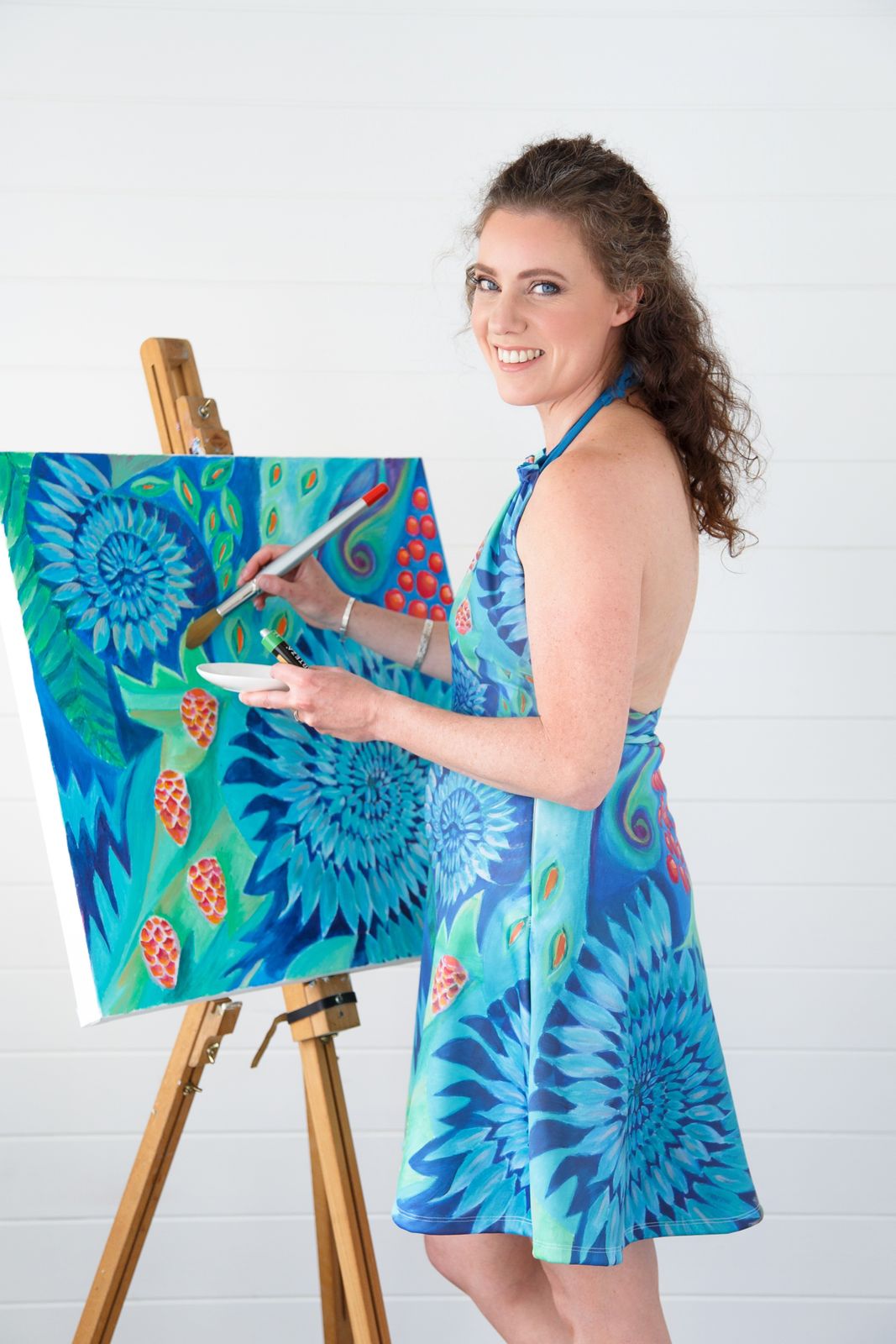
Rachel’s journey into fashion began not with a business plan, but with an ideal. After studying fashion knitwear at De Montfort University, she found herself in publishing, where she read articles about the staggering waste produced by the industry. The memory of knitwear design, where you create only the fabric you need, stayed with her. In 2019, just before lockdown, she launched ArtKatsura, a collection built on limited runs and minimal waste. But the reality of selling online was bruising. The culture of ordering multiple sizes with the intention of returning most of them was financially and emotionally unsustainable for a small, independent brand making each piece with care.
This experience, coupled with a difficult trade show where she received deeply personal feedback on fabric feel, forced a period of reflection. The answer wasn't to abandon her low-waste principles, but to refine them. She began to focus on silhouettes that were forgiving, versatile, and sidestepped the sizing issue altogether: kimonos and kaftans.
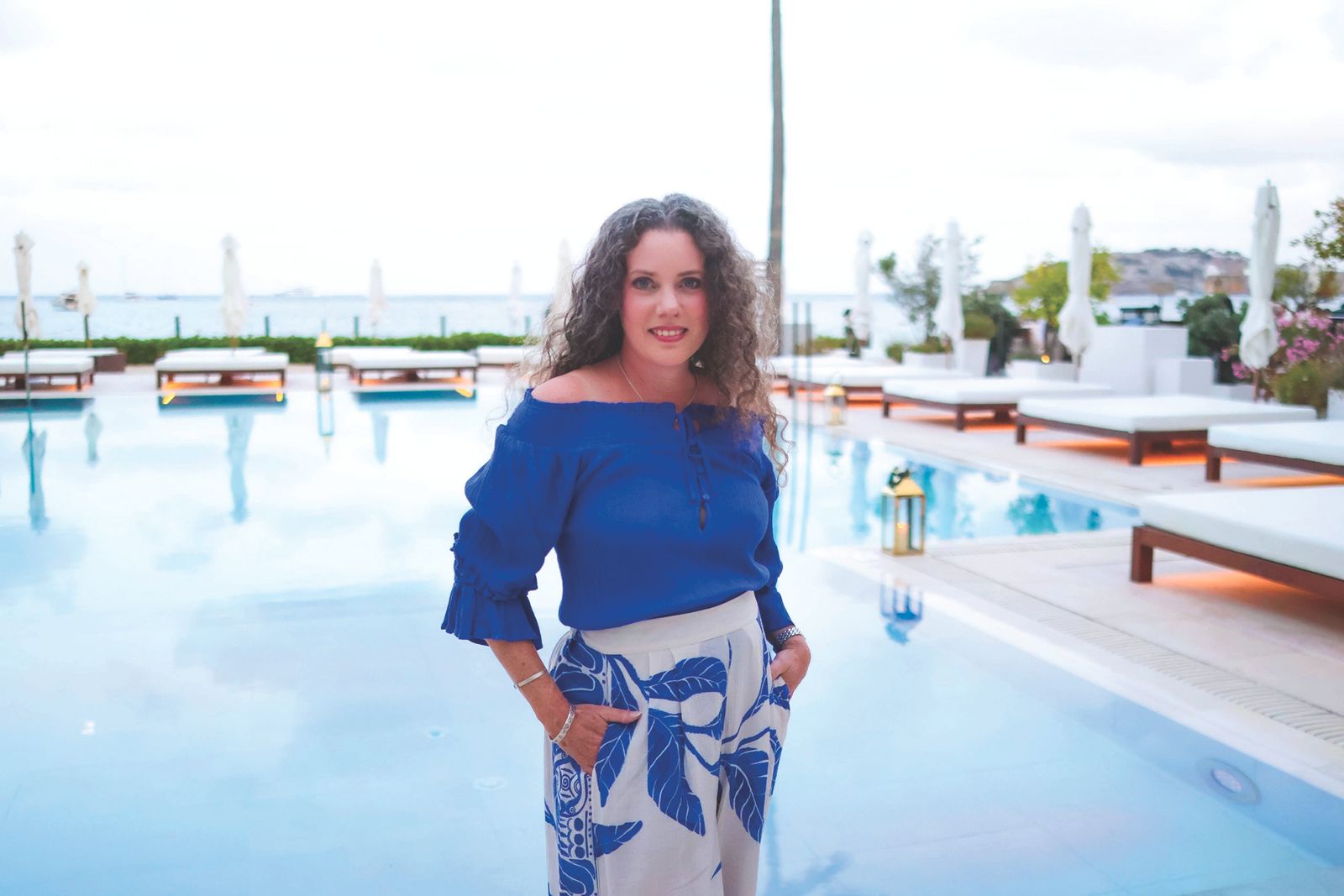
The pivot was also a return to self. “The garment shapes that I love making, that people seem to love and wear, were the kimonos and the kaftans,” she says. “Rather than trying to make something to please everybody else, I'm now making the items that bring me joy.” The relaunch as AK Collection is a reflection of this newfound clarity, embracing fabrics that feel beautiful to the touch and shapes that evoke a sense of ease, often worn by Rachel herself as she travels for her other role as founder of Wellbeing Magazine.
Today, AK Collection stands for a quieter, more considered approach to fashion. Rachel is even developing an app using AI, hoping it will allow customers to visualise the kimonos on themselves before they buy, closing the loop on the problem of returns that first set her on this path. It’s a vision of fashion where technology supports thoughtful consumption, not endless churn. The journey has taught her resilience, but more importantly, it has guided her back to a simple truth: the most sustainable business is one that aligns with your own wellbeing.